Lessons from Padua
As written by Mr Jonathan McBee, teacher of English at the MVPA and member of the ErasmusPlus team
The MVPA’s Italian partners on this project, TeachersRise, organised a series of lectures and workshops to help us find a way forward that reaches as many of our goals as possible. Most of the lectures were delivered by Ms Zita Krastina, from TeachersRise. However, we would also like to thank Mr Francesco Cendron and Ms Vanessa Crivellaro for their role in these sessions as well as the other logistics of the mobility
We started by taking a step backwards and we reflected on the value of artistic expression and entertainment in our modern societies, and then, consequently, which challenges – and opportunities – are connected with the teaching of arts in 2023. Various points were mentioned, such as how a solid education in the arts leads to more empathetic citizens, individuals who are critical thinkers, as well as keeping the cultural sector economically viable. Institutions and schools such as the MVPA have a vital role to play therein. Arts education holds a unique and vital position within the schooling system, offering benefits that span across intellectual, social, and personal domains. While traditionally academia has placed emphasis on core subjects such as mathematics, science, and language, the arts contribute to a holistic development often missed by these subjects.
Firstly, teaching arts to teenagers fosters critical thinking and creativity. Students learn to interpret and evaluate works of art, fostering the ability to think beyond what is presented and encouraging imaginative and innovative thought. This enhances problem-solving skills which are highly valuable, not just in academic settings, but also in navigating real-world challenges.
Secondly, arts provide a medium for self-expression and emotional exploration. Teenagers often grapple with complex emotions and personal identity; artistic pursuits allow them to articulate these feelings in a safe and constructive environment. Art, drama, music, dance – each offers unique ways for students to express their inner worlds, improving emotional intelligence and resilience.
Thirdly, arts education encourages cultural awareness and empathy. It exposes students to a diverse range of human experiences and perspectives, fostering an understanding and appreciation of different cultures and histories. This encourages open-mindedness and respect for diversity, which is crucial in our increasingly global society.
Arts also teach perseverance and discipline. Mastering an instrument, perfecting a dance routine, or completing a painting require consistent effort and patience. These skills translate directly to academic perseverance, and the ability to commit to long-term goals. Furthermore, learning arts promotes collaboration. Many art forms, such as band, theater, or group art projects, require teamwork. These cooperative experiences help teenagers build social skills, learn to work effectively with others, and appreciate the contributions of each team member.
Lastly, the arts can also help boost academic performance. Studies have shown a correlation between arts education and improved achievement in other academic areas. Arts help reinforce learning in subjects like math and science by providing concrete and creative outlets to understand abstract concepts.
In conclusion, incorporating arts education into the school curriculum for teenagers isn’t just about producing artists. It’s about equipping our young people with a broad set of skills – creativity, critical thinking, cultural awareness, perseverance, collaboration, and more – that will prepare them not only for their academic journey but also for a successful and empathetic life beyond the classroom walls.
Being S.M.A.R.T.
As part of our first day of lessons, we talked about how, when setting targets for a project, it’s often overwhelming to start and to encapsulate your organization’s aspirations in a way that guarantees success. Clear communication is crucial here, as with any other collaborative human endeavour. What’s obvious to one stakeholder might be difficult for another to comprehend and implement. Hence, it’s important to ensure everyone involved understands the organization’s direction, their role in it, and how they can help drive progress.
George Doran, Arthur Miller, and James Cunningham developed a helpful framework for goal-planning in the early ’80s called SMART. First introduced in a groundbreaking article in the 1981 issue of Management Review, the SMART system has since become popular for establishing effective leadership and project management goals in businesses, but we discussed how this may also apply to our school’s experience within the Erasmus+ project (and beyond). SMART goals are increasingly used in schools to facilitate clear and effective planning. Instead of vague objectives, like “I want my students to do better in Math” or “I want my students to be happier at school”, students and teachers can outline specific targets, simplifying the planning process. Teachers can create SMART goals for their personal teaching objectives and individual student growth. Tailoring these goals to each student, instead of setting universal class targets, ensures that students receive the right support they need for academic success.
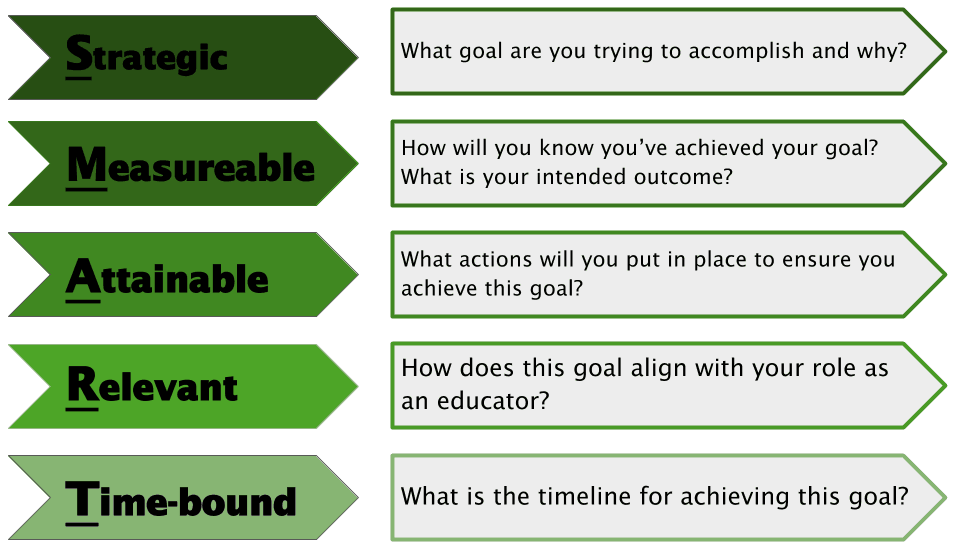
SMART, an acronym, outlines five essential elements that every goal should have for it to be impactful. Thus, when planning project objectives, each should be:
Lifelong Learning Competences
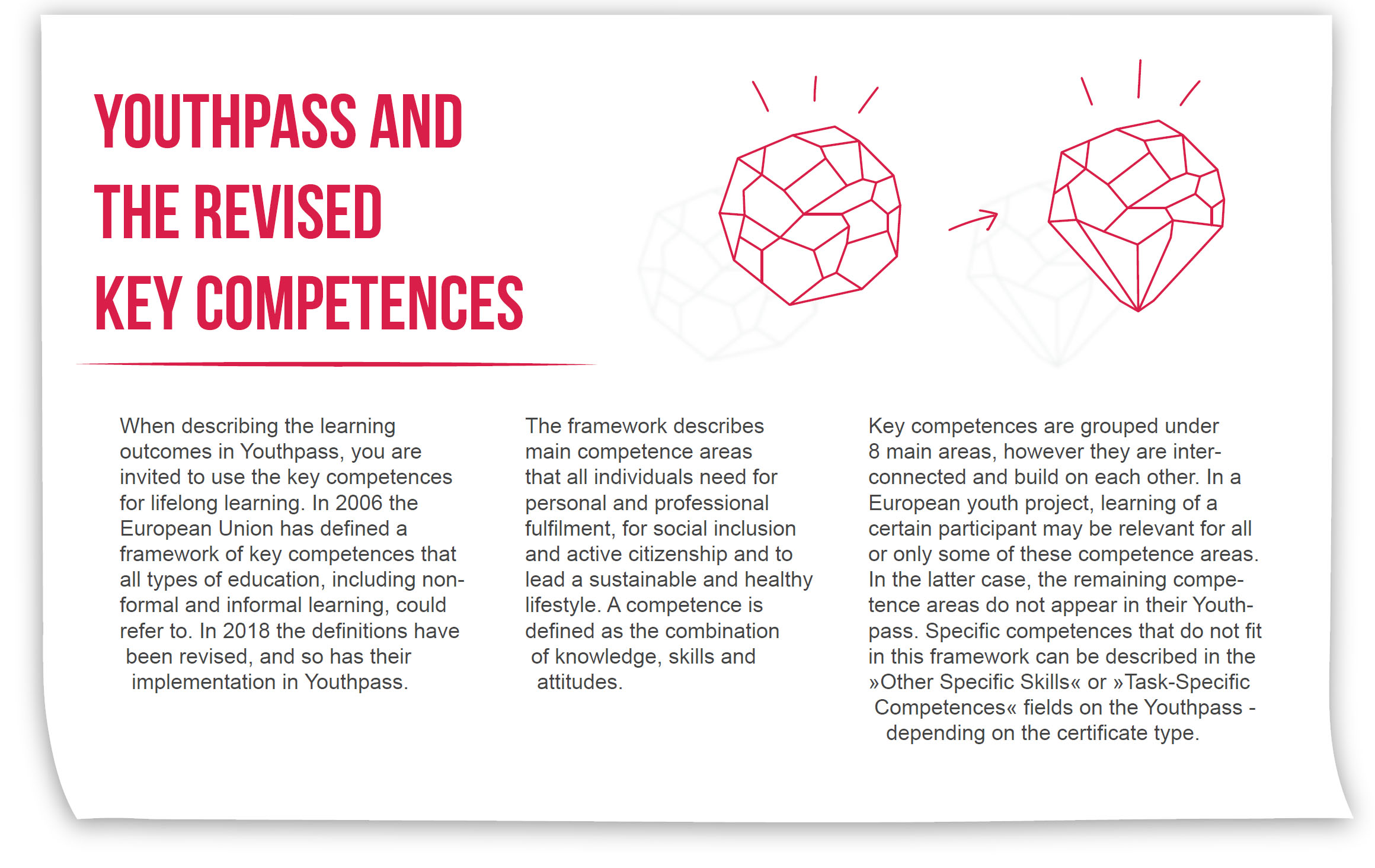
Focusing on our students and their needs more closely, we mentioned the 8 key Lifelong Learning competences identified by the EU:
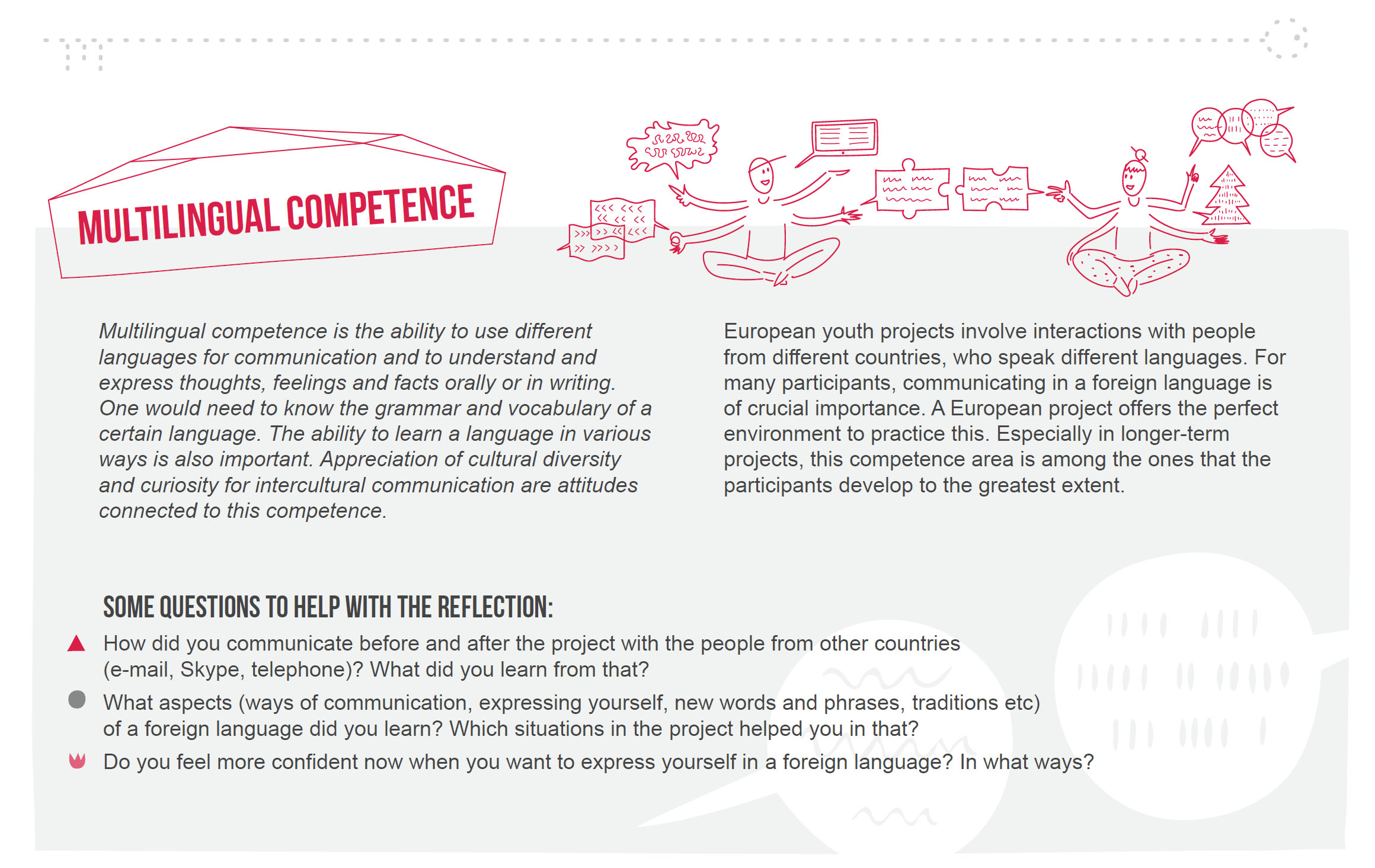
Multilingual competence
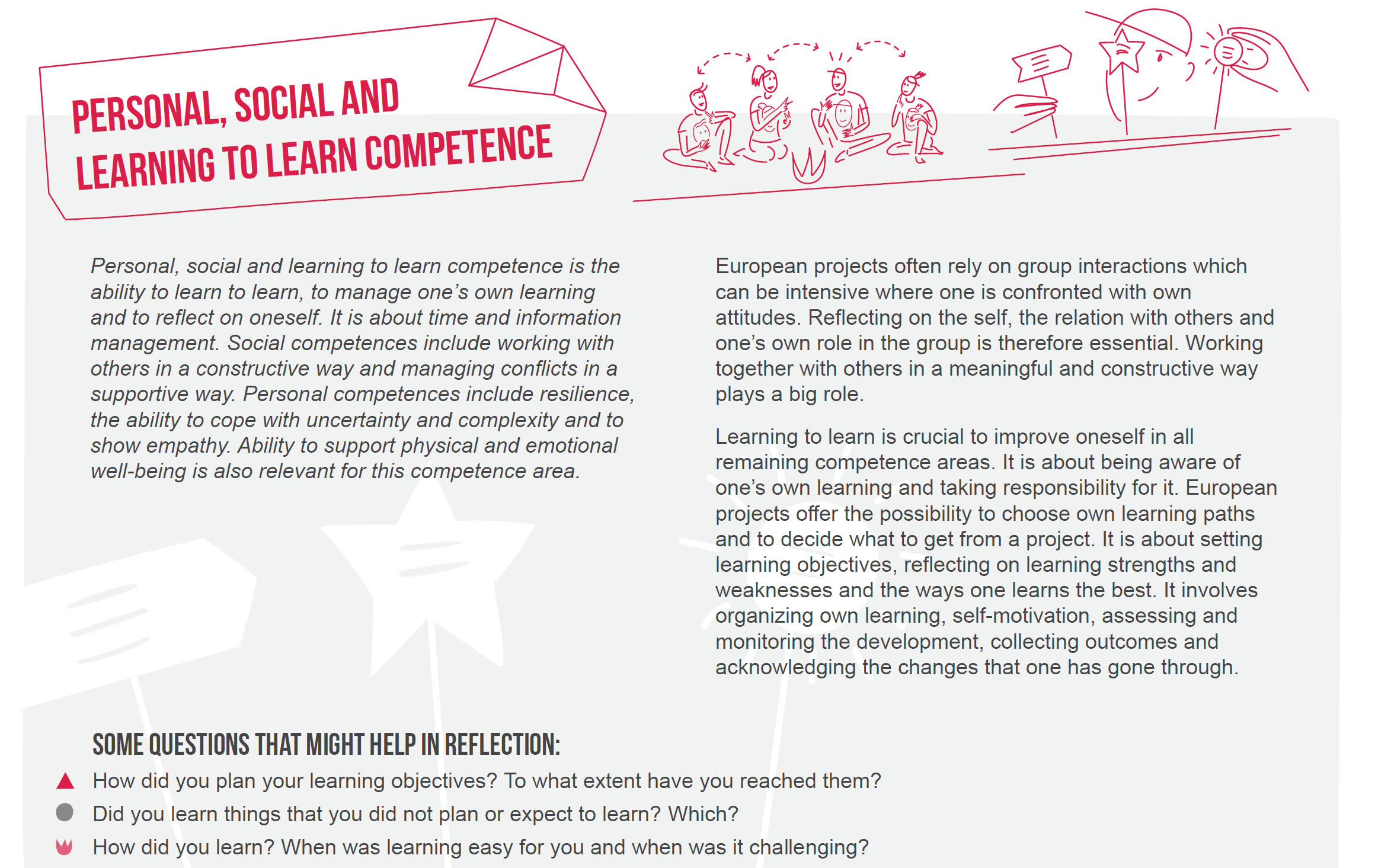
Personal, social and learning to learn competence
Citizenship competence
Entrepreneurship competence
Cultural awareness and expression competence
Digital competence
Mathematical competence and competence in science, technology and engineering
Literacy competence
Why are key competencies crucial in education? These skills are fundamental as they foster the development of critical and creative thinking and boost information literacy capabilities. All competencies are interconnected, with ‘learning to learn’ being a sophisticated process that encourages reflective analysis of learning scenarios, prompting self-identification and self-awareness. At the heart of C.O.L.L.A.G.E.S. is, in fact, the goal to have the two halves of the MVPA work even more closely together for the benefit of our students.
We mentioned Youthpass (offcial website at https://www.youthpass.eu/en/), a recognition tool employed by Europe to spotlight and record the learning results gained from participating in projects associated with the Erasmus+ Youth and the European Solidarity Corps initiatives. It encourages personal introspection and learning awareness, providing a clear depiction of acquired skills for both the individual and others. The tool not only underscores the importance of reflective practices in youth work and solidarity tasks, thus improving their overall quality and recognition, but it also bolsters the continued growth and development of young individuals and youth workers. Moreover, it elevates the significance and appreciation of European involvement. Considering how many MVPA students already travel abroad regularly for training, master classes, auditions, and competitions to enrich themselves in their chosen art form, we could not overlook how these eight competences may guide our teaching philosophies to better serve our learners.
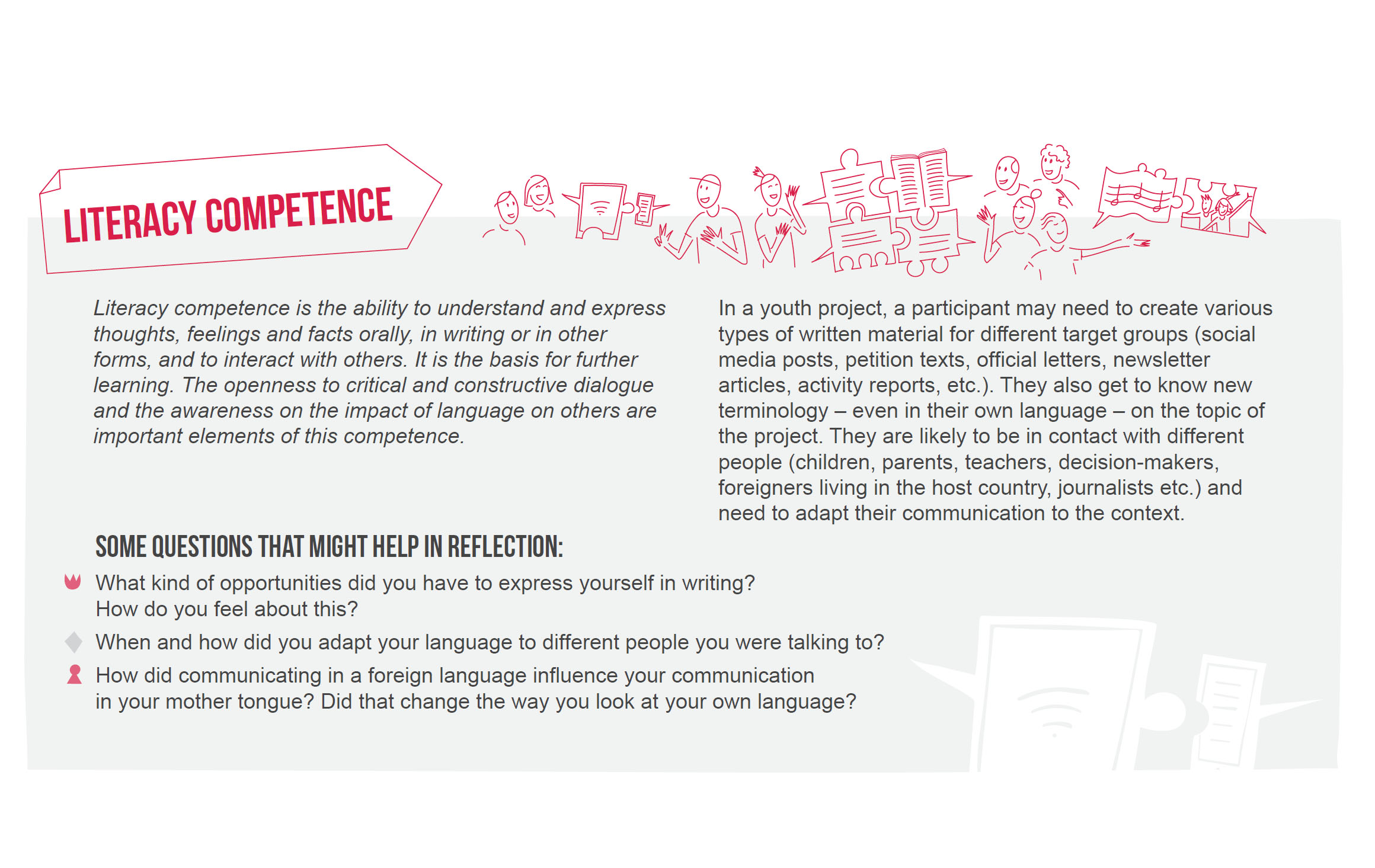
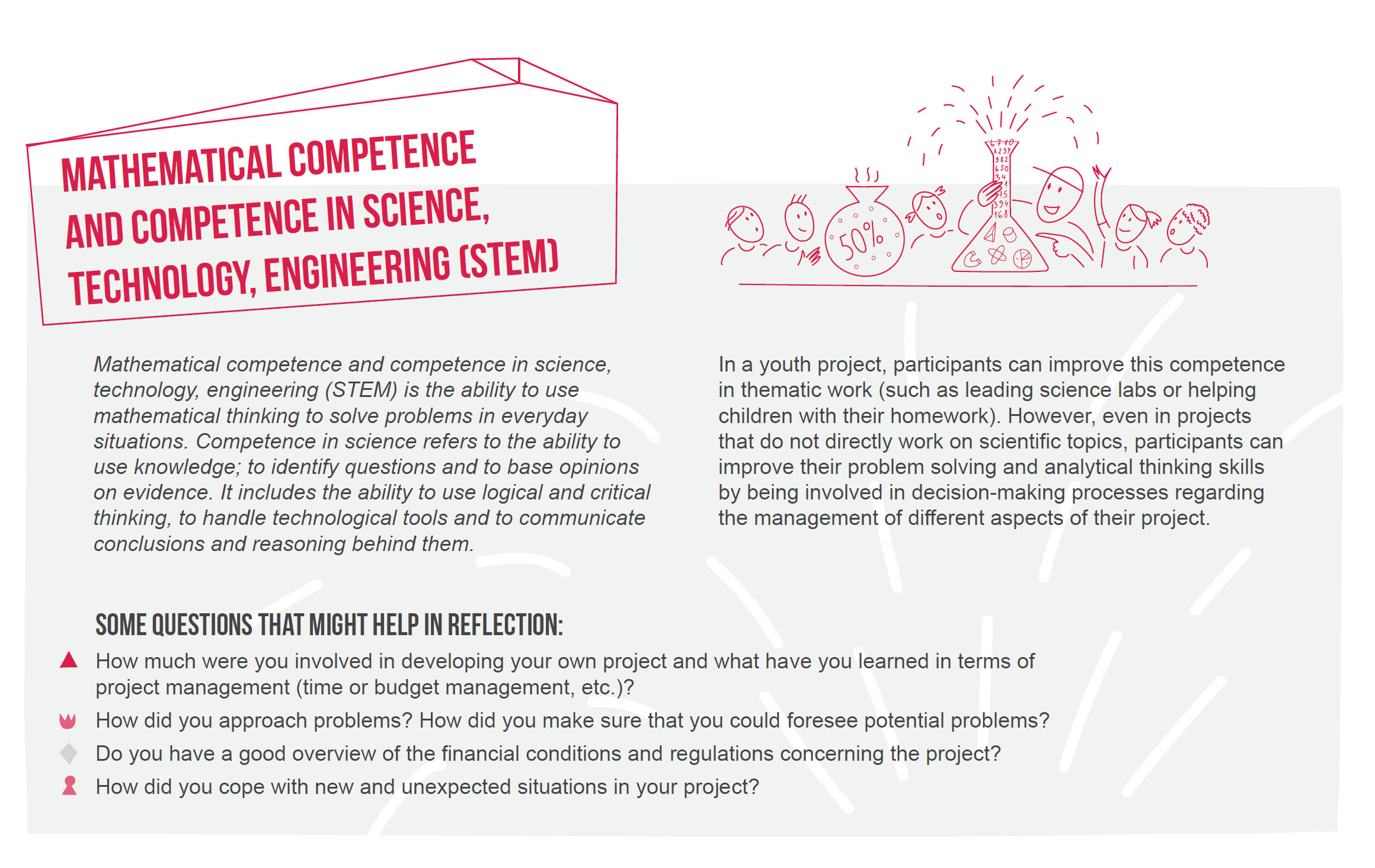
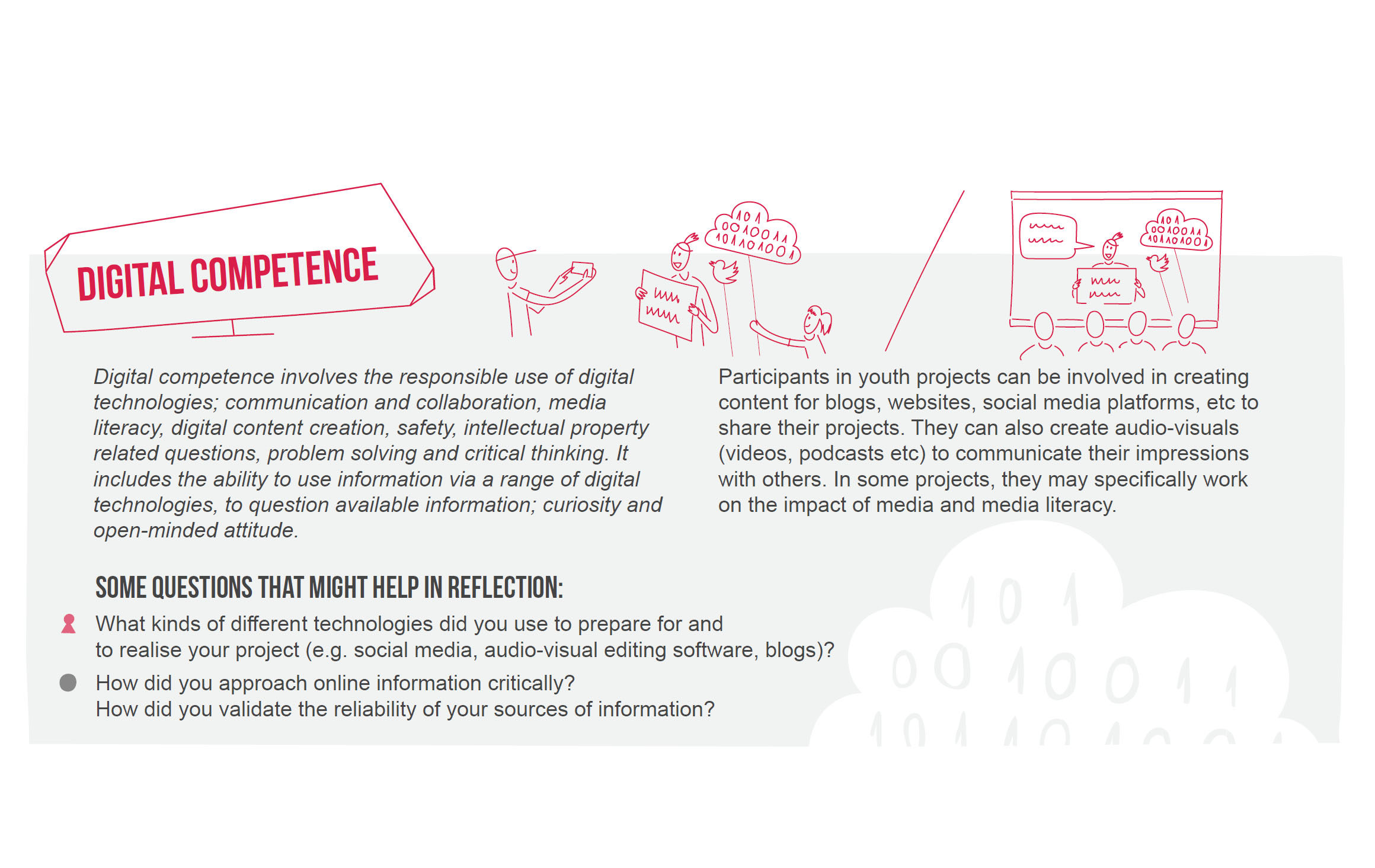
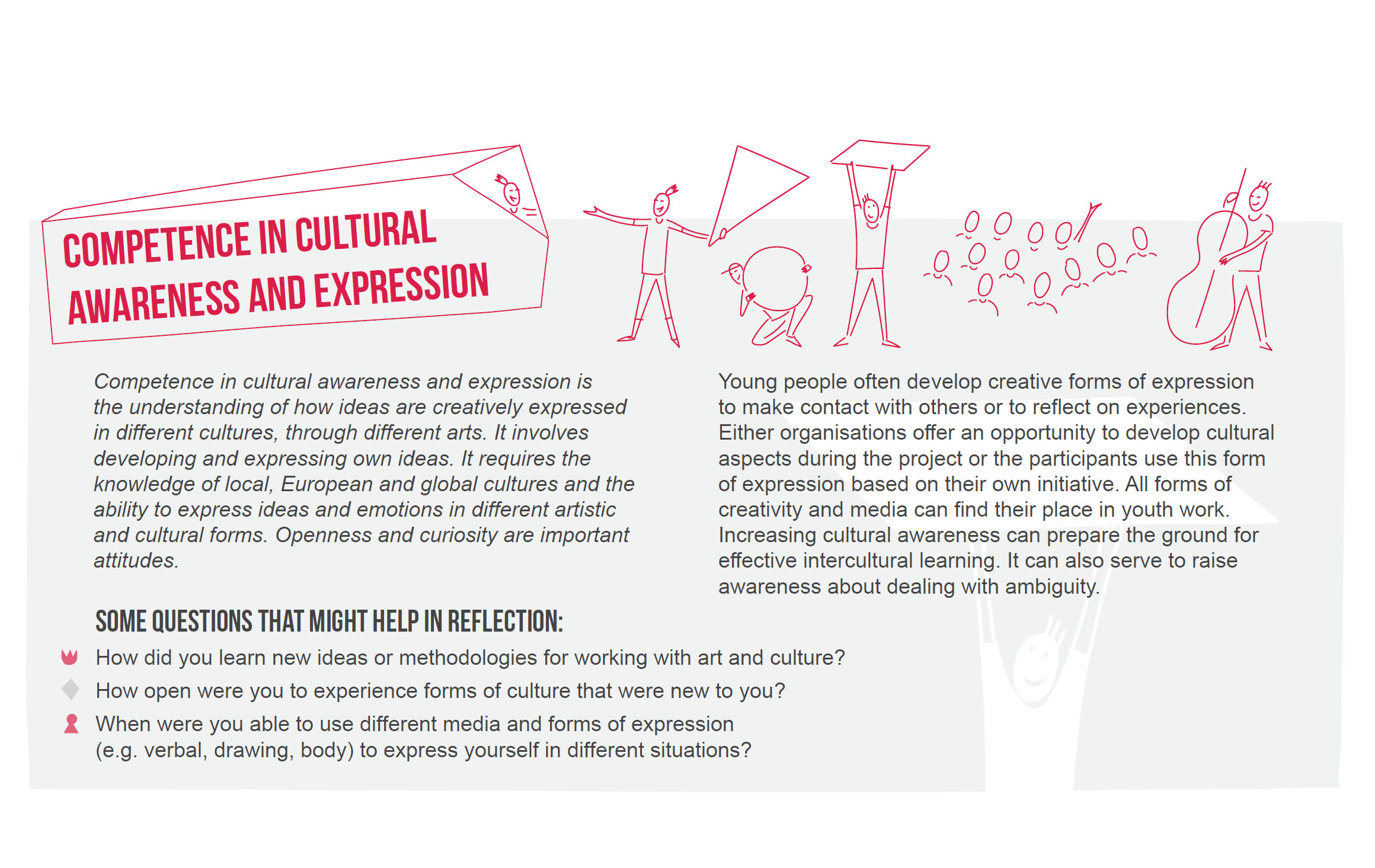
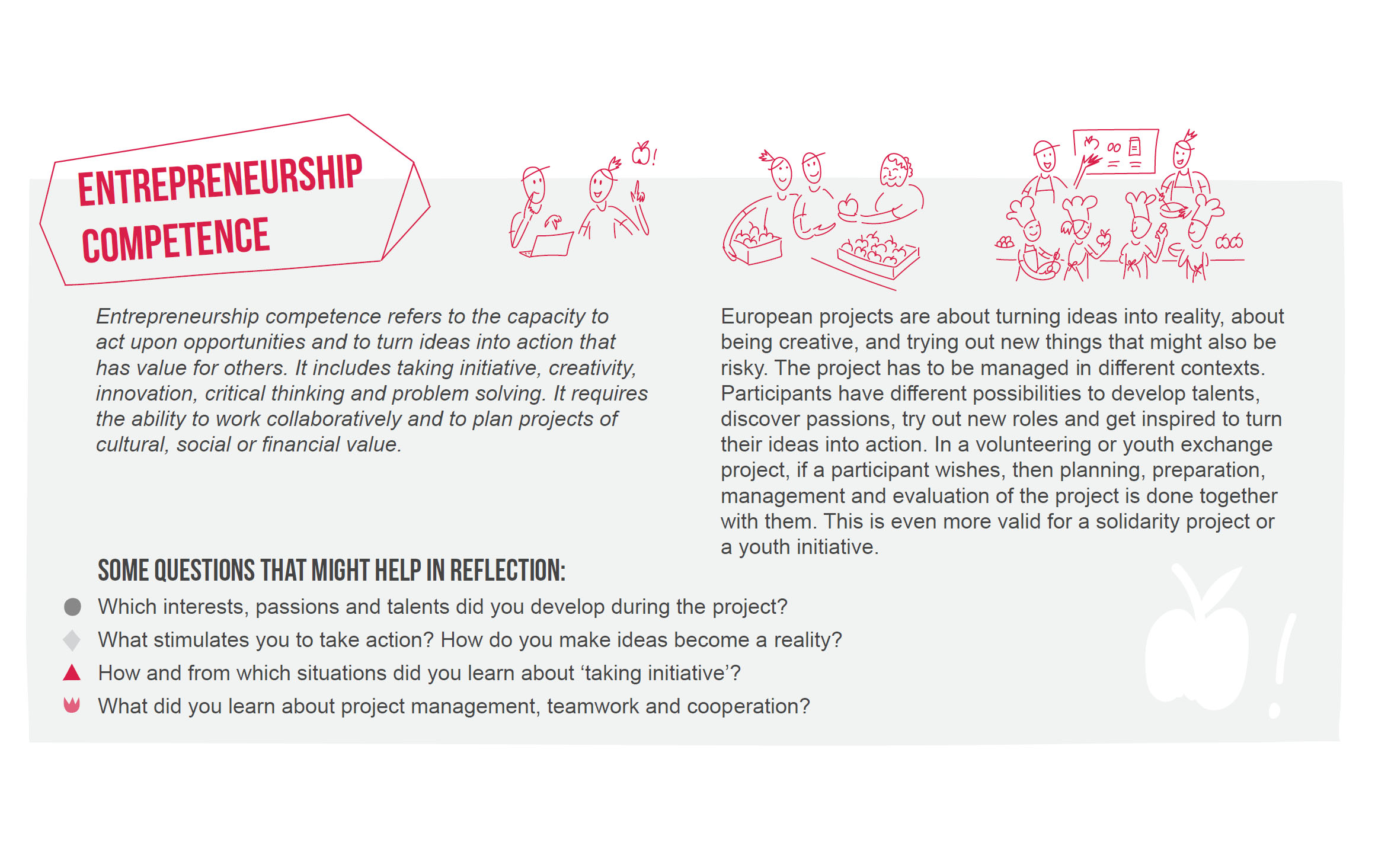
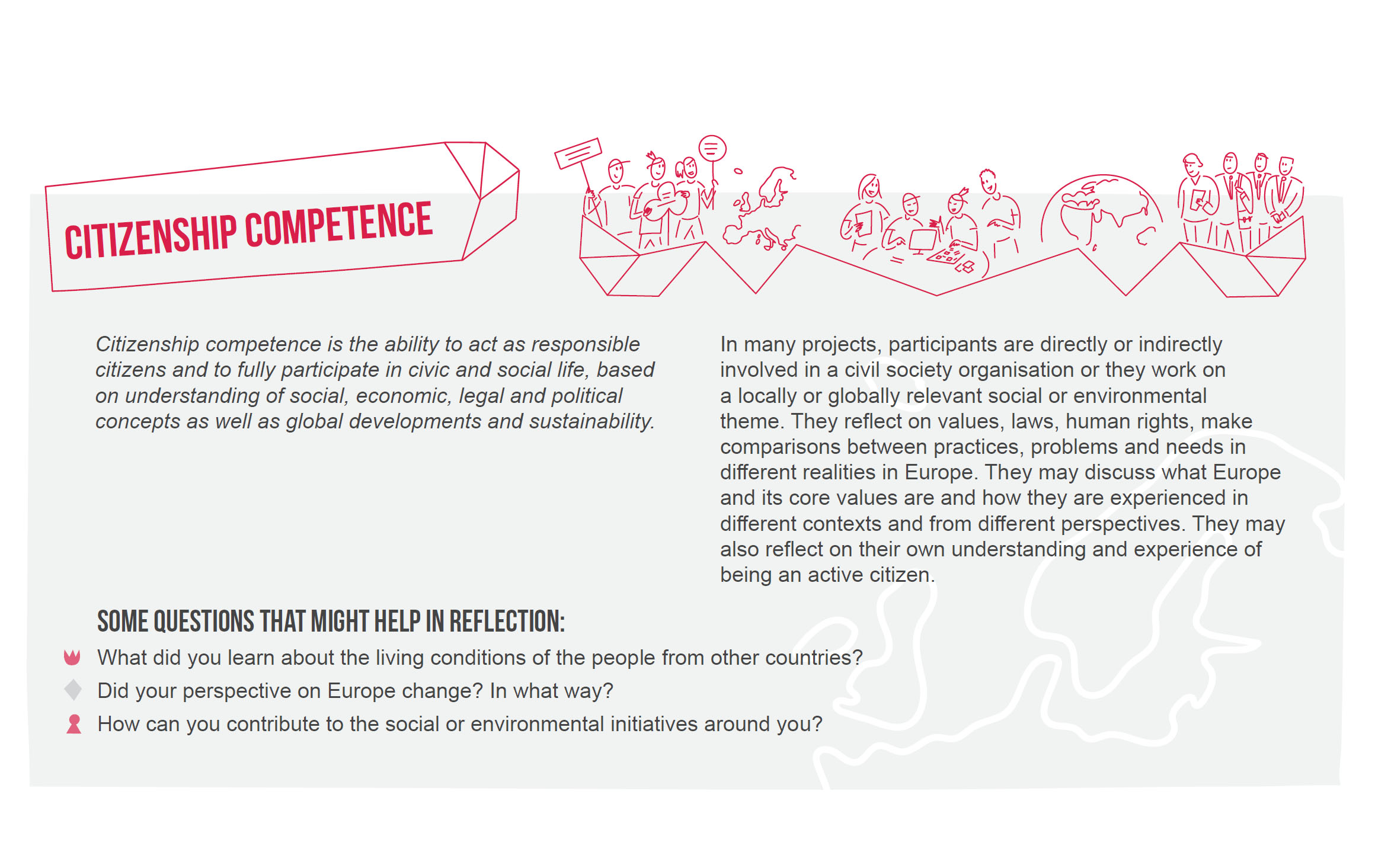
The above very informative and accessible leaflet is available to be downloaded and read at your leisure:
[embeddoc url=”https://mvpa.skola.edu.mt/wp-content/uploads/2023/07/YouthPass-Key-Competences.pdf” width=”30px” height=”30px” download=”all”]
Creative Europe
As often happens when discussing a project, it becomes necessary to look at factors which may seem, at first, to be unrelated. However, schools are a multi-faceted organism that need to cater to the needs and challenges of many different stakeholders, and the MVPA is no different. When discussing the logistical limitations of the school, Zita suggested looking into the Creative Europe scheme, to perhaps help our students obtain even more opportunities to grow in their artistic studies. Creative Europe is a support program by the European Commission for culture and audiovisual sectors. It funds actions that strengthen cultural diversity and address the needs of these sectors.
The program aims to:
1. Protect, enhance, and promote European cultural and linguistic diversity and heritage.
2. Boost the competitiveness and economic potential of the cultural and creative sectors, especially the audiovisual sector.
Creative Europe has three parts:
1. The CULTURE Strand: This part supports cultural and creative organizations in working across countries. It promotes the sharing of cultural works and movement of cultural individuals across borders. It funds activities that strengthen the creation and sharing of European works and improve innovation and capability development.
2. The MEDIA Strand: This part financially assists EU film and audiovisual industries in creating, distributing, and promoting their work. It helps in launching projects with European and international reach. The funds support various audiovisual works, including films, TV series, video games, and more, along with cinemas, festivals, and industry markets.
3. The CROSS-SECTORAL Strand: This part deals with shared challenges and opportunities in the cultural and creative sectors, like transnational policy cooperation and news media.
The program offers grants covering a portion of eligible costs, with co-financing rates differing per call.
Creative Europe is available to cultural and creative organizations from EU Member States and non-EU countries, with certain conditions allowing European Economic Area countries, candidate countries, and European Neighbourhood Policy countries to participate.